

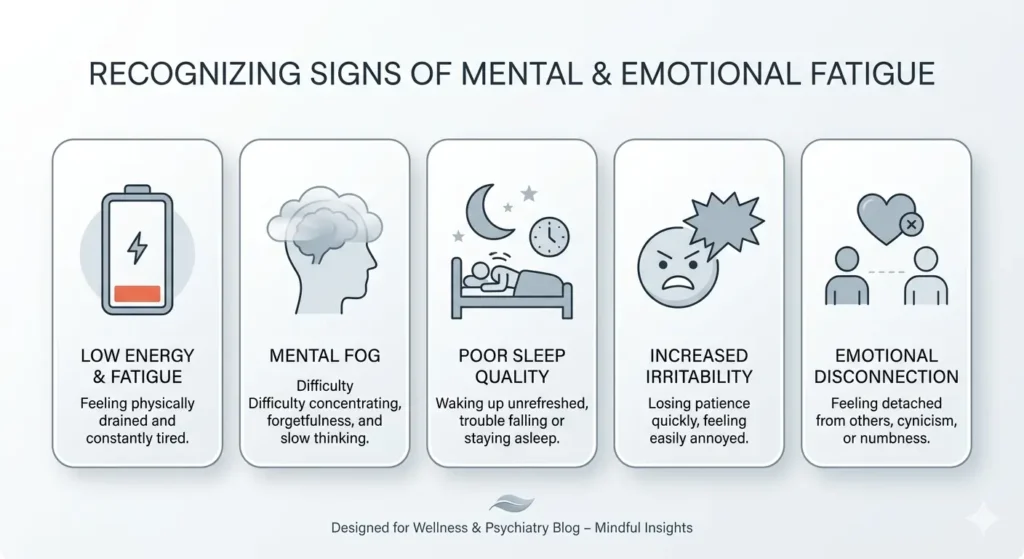
Burnout often begins with subtle warning signs: constant fatigue, irritability, poor sleep, mental fog, and a growing sense of disconnection from work or caregiving responsibilities. For professionals and caregivers, these signs are often mixed with guilt for “not being able to keep up anymore.” This article explains how burnout differs from ordinary stress, outlines a four-phase recovery plan, and offers practical therapeutic strategies such as micro-breaks, nervous system regulation, healthier boundaries, and emotional support. The tone is compassionate, realistic, and especially relevant for people in Florida carrying a high workload or caregiving burden.

Burnout rarely happens all at once. It tends to build quietly over time—through prolonged pressure, emotional overload, constant responsibility, and too little recovery. Many people mistake burnout for simply being busy or having a stressful season. But when exhaustion becomes chronic and your motivation, patience, and focus start to fall apart, something deeper may be happening.
Burnout can show up as physical fatigue that rest does not fully fix, irritability with people you care about, sleep disruption, emotional numbness, headaches, difficulty concentrating, or a growing sense of cynicism about work. Some people feel like they are functioning on the outside while privately feeling detached, overwhelmed, and depleted. Others start to believe they are failing, when in reality they are overextended.
One of the most important early steps is recognizing that burnout is not laziness. It is not a moral weakness. It is often the result of long-term stress without enough support, boundaries, or recovery.
A practical recovery plan helps because burnout usually does not improve through vague intentions alone. Phase one is immediate stabilization. This means stopping obvious energy leaks. You might set one simple boundary such as no work messages after a certain hour. You might build in three tiny breaks per day to stand up, breathe, stretch, or drink water. These changes may sound small, but they begin sending a different message to your nervous system: not every minute has to be under pressure.
Phase two focuses on the body. Sleep becomes a priority, even if it is not perfect. Regular meals, hydration, and light movement such as walking can help lower the overall stress load. When the body is depleted, everything feels heavier. Supporting the body is not separate from mental health care—it is part of it.
Phase three is about reassessing demands. Make two lists: what is truly essential, and what feels urgent only because you are used to over-functioning. This is often where perfectionism has to be challenged. “Good enough” may become healthier than “flawless.” Recovery is not just about doing less. It is about doing what matters more intentionally.

Phase four is long-term protection. That means checking in with yourself regularly and noticing what continues to drain you. It may involve stronger communication, better boundaries, delegating certain responsibilities, or rethinking unsustainable expectations at work or at home. Support systems matter here. Burnout thrives in isolation and softens in connection.
Caregivers are especially vulnerable because their exhaustion is often hidden under devotion. They may feel resentful for losing their own time, guilty for wanting a break, or physically worn down by constant emotional responsibility. Caring for yourself is not selfish. It is what allows care to remain sustainable.
Therapeutic strategies can help bring real relief. That may include learning how to set limits without excessive guilt, practicing mindfulness or short breathing exercises, processing difficult emotions in therapy, reconnecting with meaningful activities, and rebuilding routines that give energy back instead of only taking it away.
Sometimes burnout is also tangled up with anxiety or depression, which is why professional support can be so valuable. If symptoms continue for weeks, if you are losing functioning, or if you feel emotionally shut down, it may be time to reach out. Support is not a last resort. It is a form of prevention.

Burnout can be prevented, interrupted, and treated. The sooner you recognize the signs, the sooner you can respond with care instead of self-criticism. Your mental health deserves attention even when other people depend on you. Especially then.
#mentalhealth #healingjourney #selfgrowth #therapytools #mindsetshift #mentalwellness #florida #newagepsychiatry