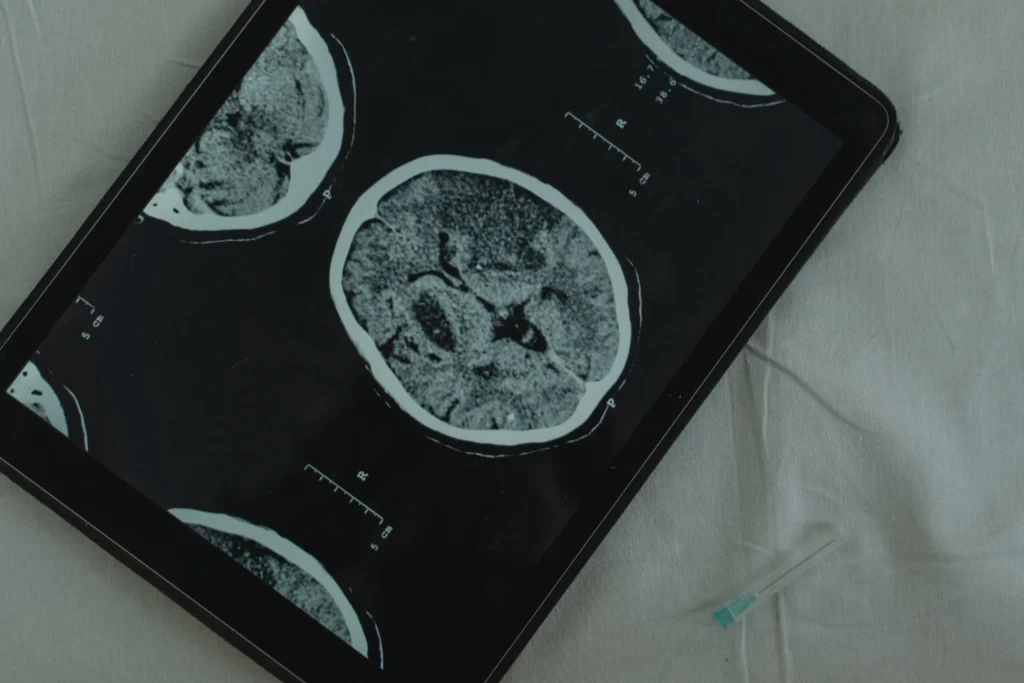
What is Ketamine? Ketamine was originally used in the 1960’s as a general anesthetic for medical procedures, due to its pain-reducing and sedative effects. Ketamine became classified in the U.S. as a Schedule III non-narcotic substance in 1999 under the Controlled Substances Act. In 2005, neuroscientists began exploring ketamine’s potential role in reducing depression, anxiety, and […]
In today’s fast-paced world, stress is often seen as an unavoidable part of life. However, managing and reducing stress is not just beneficial for our mental well-being; it has profound implications for our physical health as well. Here, we explore how reducing stress can lead to better physical health and provide practical tips for achieving
PRODUCTIVITY BARRIERS In the workplace, adults with ADHD may be perceived as unreliable or unmotivated, due to a pattern of forgetfulness, being late for work meetings and deadlines, and cognitive disorganization. Although adults with ADHD may have plenty of creative and inspiring ideas, their thoughts are often short-lived and may be eclipsed by new
In modern, fast-paced, industrialized society, individuals tend to view problems as obstacles to personal, academic, or professional success. Problems can become the primary focus of an individual’s thoughts, even to the point of overanalyzing and ruminating about a particular problem. By falling into this unproductive thought pattern, an individual is at a high risk of
A schema is a collection of thoughts which results from one’s life experiences. A schema may not be logical or emotionally healthy, yet it can guide one’s behaviors and perceptions when responding to new events which occur long after the original schema was developed. Schemas begin during childhood and continue to be created throughout the life span.
Adult ADHD affects more than attention and memory. The impact of ADHD during the adult years is a rather new area of research, emerging in the 1990’s, which found that ADHD was not just a childhood learning disability that went away when the individual reached adulthood. There is still much to be studied about the
Anxiety can be genetic, learned through repeated dysfunctional experiences with family members or other significant people in one’s life, or caused by one or more traumatic events. Anxiety takes many forms. For instance, Post-Traumatic Stress Disorder and Generalized Anxiety Disorder result from emotionally painful experiences which alter one’s brain chemistry and cause various physiological symptoms,
Your New Year’s resolutions can be both inspiring and anxiety-provoking, and, statistically, many resolutions are broken before the end of January. Resolutions are certainly well-intended but are not always linked with an action plan aimed at handling the inevitable setbacks and other random events which can challenge your commitment to these resolutions. Furthermore, during the
Selective Serotonin Reuptake Inhibitors (SSRI’s) are the most commonly prescribed antidepressants. Serotonin is the primary chemical messenger, or neurotransmitter, which has been linked with depression and which has been found as deficient in the pleasure and reward pathways of the depressed brain. These types of medications block the receptor sites of certain neurons from
To sum up how ADHD medications work, they serve as “jump starters” for the naturally occurring neurotransmitter, dopamine, which is the main brain chemical responsible for experiencing pleasure, feeling motivated, being able to focus, and organizing one’s thoughts into purposeful actions. These medications also increase another important neurotransmitter, norepinephrine, which is responsible for energy, alertness,