What if the key to breaking a decade of treatment-resistant depression wasn’t a daily pill, but a precision tool that actually reboots your brain’s neural pathways? When exploring what is ketamine used for, many people are surprised to find a clinical evolution from a simple anesthetic to a sophisticated treatment for depression, anxiety, and PTSD. If you’ve spent years cycling through different SSRIs only to feel stuck in the same heavy fog, you aren’t alone. It’s exhausting to manage persistent negative thoughts while fearing the side effects of conventional medications.
You deserve a treatment plan that respects your time and your mental well-being. This 2026 guide provides a clear look at how low-dose therapy offers a safe, supportive alternative to traditional psychiatric drugs. We’ll clarify the vital differences between recreational use and supervised medical protocols. By the end, you’ll understand if you’re a candidate for this innovative approach and how to access professional, virtual care right here in Florida.
Key Takeaways
- Learn what is ketamine used for as it evolves from a traditional surgical anesthetic into a precision tool for modern mental health care.
- Understand the science of neuroplasticity and how targeting the glutamate system can offer faster relief than conventional SSRIs.
- Discover the specific benefits of low-dose therapy for treatment-resistant depression and PTSD, helping to break cycles of negative thoughts.
- Compare different delivery methods, such as IV infusions and low-dose oral therapy, to determine which supportive path fits your needs.
- Find out how to safely access professional psychiatric evaluations and personalized treatment through a convenient telehealth model in Florida.
What is Ketamine Used For? Defining the Clinical Shift
Ketamine was originally developed in the 1960s as a dissociative anesthetic for surgical procedures. For decades, it served as a reliable tool in operating rooms and emergency settings because it could induce anesthesia without depressing the respiratory system. However, the medical community has recently witnessed a profound clinical shift. Today, when patients ask what is ketamine used for, the answer often lies in modern psychiatry. In this professional context, it’s used off-label at significantly lower doses to treat persistent mood disorders that haven’t responded to traditional medications. This transition relies on a critical distinction: while anesthetic doses are designed to induce unconsciousness, therapeutic doses are carefully calibrated to stimulate brain function. In modern mental health care, ketamine acts as a powerful catalyst for neuroplasticity, helping the brain forge new connections and bypass old, negative thought patterns.
The History of Ketamine in Medicine
Ketamine first gained prominence as a battlefield anesthetic during the Vietnam War. Its safety profile made it indispensable for trauma care, leading to its FDA approval for human surgical use in 1970. The psychiatric breakthrough occurred in the early 2000s when researchers discovered that a single sub-anesthetic dose could provide rapid relief for severe depression. This discovery challenged the traditional “chemical imbalance” theory of mental health. The 2019 approval of esketamine (Spravato) for treatment-resistant depression further validated these findings, paving the way for wider acceptance within the psychiatric community. Today, it stands as a primary tool for clinicians looking to offer faster relief to patients in distress.
Recreational vs. Therapeutic Use
It’s vital to separate clinical treatment from the “Special K” street narratives often found in popular culture. Therapeutic use occurs in a controlled environment with pharmaceutical-grade purity and precise weight-based dosing. Recreational use lacks these safeguards and involves much higher, unregulated amounts that can lead to dependency or health complications. When considering what is ketamine used for in a medical setting, the focus is on safety, personalization, and long-term management. Professional medical supervision ensures that the patient remains safe throughout the experience. By managing the setting and dosage, clinicians use ketamine as a targeted medication rather than a substance for escape. This structured approach removes traditional obstacles to care, allowing patients to focus on recovery in a secure, non-judgmental space.
How Ketamine Works: The Science of Glutamate and Neuroplasticity
Most traditional antidepressants focus on serotonin or norepinephrine. These medications can take weeks or months to show results because they work on the brain’s chemical balance slowly. Ketamine operates differently by targeting the glutamate system. Researchers at Yale redefined depression treatment by identifying how this compound interacts with the brain’s most abundant excitatory neurotransmitter. By blocking NMDA receptors, ketamine triggers a sudden “glutamate burst.” This surge isn’t just a temporary chemical spike; it actually stimulates the growth of new synaptic connections. This process, known as synaptogenesis, allows the brain to bypass damaged pathways. When patients ask what is ketamine used for in a clinical sense, the answer is often biological repair. It acts as a bridge, helping the brain move past the structural damage caused by chronic stress.
The Role of the NMDA Receptor
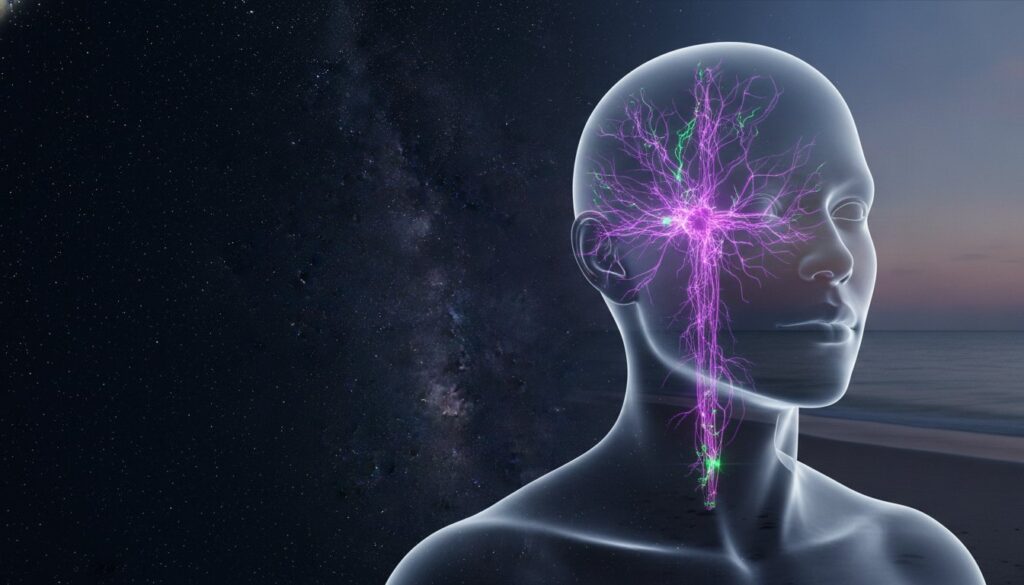
Glutamate acts as the “master switch” for brain communication. It’s responsible for learning, memory, and mood regulation. Chronic depression and PTSD often lead to the withering of neural connections in the prefrontal cortex. Ketamine’s unique ability to block NMDA receptors forces the brain to release a restorative chemical called BDNF (Brain-Derived Neurotrophic Factor). This protein acts like a fertilizer for neurons, repairing the connections that have been thinned by years of emotional trauma or chemical imbalance.
The repair process generally involves three stages:
- NMDA Blockade: Temporarily stopping specific signals to trigger a restorative response.
- Glutamate Release: Flooding the synapses with essential communication chemicals.
- Synaptogenesis: Forging entirely new physical connections between brain cells.
If you feel stuck in a cycle of heavy thoughts, scheduling a virtual evaluation can help determine if your neural pathways could benefit from this targeted repair.
Ketamine and the Default Mode Network (DMN)
The Default Mode Network is the part of the brain active during daydreaming and self-reflection. In people with depression or OCD, the DMN often becomes overactive. This leads to a broken record of ruminative negative thinking. Ketamine temporarily quiets this network, allowing the brain to step outside its usual patterns. Many patients experience a mild dissociative state during treatment. While this can feel unusual, it’s often the moment when the brain detaches from traumatic loops. This “brain reboot” creates a window of opportunity where new, healthier perspectives can take root. Recent clinical data from Florida clinics shows depression remission rates as high as 85% to 90% when this mechanism is properly utilized. By quieting the noise, ketamine provides the clarity needed to start the healing process.
Primary Psychiatric Uses: Who Benefits from Ketamine?
Understanding what is ketamine used for in a modern clinical setting involves looking at the specific psychiatric conditions that benefit most from its rapid-acting properties. While traditional medications like SSRIs or SNRIs focus on adjusting neurotransmitter levels over several months, ketamine provides a more immediate “reboot” for the brain’s communication systems. This makes it an essential tool for individuals who haven’t found lasting relief through conventional therapies. It isn’t just a backup plan; it’s a specialized treatment for those dealing with complex, treatment-resistant conditions.
Ketamine for Treatment-Resistant Depression
Treatment-Resistant Depression (TRD) is typically defined as a depressive disorder that hasn’t improved after at least two separate trials of traditional antidepressants. For these patients, the daily struggle with low energy and persistent sadness can feel insurmountable. Ketamine offers a different path. Research shared by the National Institutes of Health (NIH) highlights how it relieves symptoms of depression by fostering neuroplasticity and repairing neural pathways. Unlike standard pills that can take six weeks to provide a noticeable shift, ketamine can often lift the heavy fog of depression within hours or days. This speed is a critical advantage for those who need urgent relief from the cycle of negative thoughts.
Addressing PTSD and Severe Anxiety
For those living with PTSD or severe anxiety, the brain is often stuck in a constant “fight or flight” mode. Ketamine plays a unique role in “extinction learning,” a process that helps the brain decouple traumatic memories from the intense emotional and physical distress they usually cause. By balancing glutamate levels, it reduces the physiological symptoms of anxiety, such as a racing heart or a constant sense of dread. Many adults seeking this therapy also manage overlapping challenges. Integrating Adult ADHD Diagnosis and Treatment in Florida into a comprehensive care plan ensures that all aspects of a patient’s mental health are addressed simultaneously.
Beyond depression and trauma, ketamine is increasingly used to treat Obsessive-Compulsive Disorder (OCD). It helps break the relentless loop of intrusive thoughts and compulsions by quieting the overactive neural circuits responsible for these patterns. This mental reset allows patients to engage more effectively with their ongoing therapeutic work, making recovery feel like a manageable goal rather than a distant dream. By targeting the glutamate system, low-dose therapy provides a supportive alternative for those who feel stuck in a cycle of ruminative thinking.

Comparing Delivery Methods: IV Infusions vs. Low-Dose Oral Therapy
Choosing the right delivery method depends on your clinical needs, lifestyle, and budget. While we’ve already discussed what is ketamine used for in broad psychiatric terms, the actual patient experience varies significantly between in-clinic and at-home options. IV infusions offer high bioavailability, meaning the medication enters the bloodstream directly for an immediate effect. These sessions require visiting a physical clinic and often involve higher out-of-pocket costs since they are used off-label and rarely covered by insurance. To better understand the full financial picture across all delivery methods, reviewing a detailed breakdown of ketamine therapy cost in 2026 for Florida patients can help you plan your care with confidence. Similarly, Intramuscular (IM) injections provide a fast onset but still require medical supervision in a traditional office setting.
Nasal sprays, specifically esketamine, are FDA-approved for treatment-resistant depression and are often covered by major insurance plans. However, they must be administered in a certified healthcare setting under a restricted safety program. This requires patients to spend several hours at a clinic for each dose, which can be a significant logistical hurdle for those with busy schedules.
The Benefits of Low-Dose At-Home Therapy
Low-dose oral ketamine therapy has emerged as a highly accessible alternative for Florida residents. Prescribed via telehealth, this method allows you to undergo treatment in the comfort and privacy of your own home. This familiar environment often reduces the anxiety associated with medical settings, allowing for a more profound focus on the therapeutic experience. The protocol typically focuses on gradual neuroplasticity rather than the intense, rapid reset of high-dose infusions. This steady approach is often more manageable for those balancing work or family life. Success in this model relies heavily on integration, where you work with your psychiatric provider to process insights and build healthier habits over time.
Safety and Monitoring in Telehealth
Safety remains the top priority in a virtual care model. Licensed psychiatric professionals use rigorous screening processes to ensure you’re a safe candidate for at-home therapy. This includes reviewing your medical history for contraindications and monitoring for side effects like temporary blood pressure changes or nausea. Florida law currently allows for the prescription of Schedule III substances like ketamine via telehealth without an initial in-person exam. Federal DEA telemedicine flexibilities currently support this model through December 31, 2026, ensuring continued access for those in need of remote care.
During your session, providers recommend having a “sitter” or a trusted adult nearby to ensure a supportive environment. This structured approach combines the rigor of licensed medical practice with the convenience of modern technology. If you’re ready to explore a personalized path to relief, learn more about our low-dose ketamine programs for Florida adults.
How to Access Ketamine Therapy Safely in Florida
Finding a safe, professional way to access treatment shouldn’t be an overwhelming hurdle. Now that you understand what is ketamine used for in a modern psychiatric setting, the next step involves following a structured, medically supervised path to care. In Florida, the process is designed to be efficient and supportive, ensuring that every patient receives a plan tailored to their specific biological and emotional needs. We focus on removing traditional obstacles so you can prioritize your recovery without unnecessary stress.
Accessing therapy follows a logical, step-by-step progression to ensure the highest standards of safety:
- Virtual Psychiatric Evaluation: You’ll start with a thorough video consultation to discuss your symptoms, previous treatments, and goals with a licensed professional.
- Medical History Review: Your provider examines your history and current medications. This step is vital to identify any contraindications and ensure that low-dose therapy is a safe match for your body.
- Personalized Treatment Plan: If you’re a candidate, you’ll receive a customized plan. This may include low-dose ketamine therapy as a manageable alternative to traditional meds.
- Ongoing Medication Management: Mental health care requires consistent support. Regular virtual check-ins with your psychiatrist allow for dosage adjustments and progress tracking.
Why Choose a Specialized Florida Telehealth Provider?
Florida-specific regulations for controlled substance prescribing are unique. By choosing a local telehealth provider, you benefit from experts who understand these laws and can provide care from Coral Springs to Miami and beyond. Our virtual model respects your time and privacy, eliminating the need for long commutes or waiting rooms. By choosing a provider who understands what is ketamine used for within the context of adult psychiatry, you ensure that your care is both innovative and grounded in established medical rigor. This specialized focus is essential for managing complex conditions like TRD or PTSD effectively.
The New Age Psychiatry Approach
Our philosophy centers on empathetic, non-judgmental, and evidence-based care. We believe that modern psychiatry should be accessible and straightforward. By combining innovative treatments like low-dose ketamine with traditional psychiatric expertise, we help you break free from the cycle of negative thoughts. We act as your reliable partner, providing the clinical rigor of a licensed medical practice with the convenience of a contemporary service provider. You aren’t just a medical case; you’re an individual deserving of a personalized path forward.
Your Path to Lasting Mental Wellness
Understanding what is ketamine used for marks a significant turning point in your mental health journey. We’ve explored how this clinical evolution offers hope for those who haven’t found relief through traditional means. By targeting glutamate and fostering neuroplasticity, low-dose therapy provides a sophisticated “reboot” for the brain’s most essential pathways. This isn’t just about managing symptoms; it’s about creating the structural changes needed for long-term recovery.
Our expert Florida-licensed psychiatrists offer specialized low-dose ketamine programs through a secure and private telehealth platform. We combine the rigor of clinical practice with the ease of modern technology, ensuring your care is both professional and accessible. You don’t have to feel stuck in a cycle of negative thoughts any longer. There’s a supportive, evidence-based path forward that respects your time and your individual needs.
Begin Your Journey to Better Mental Health with New Age Psychiatry
Take the next step toward a clearer, more resilient future. You’re ready for a partner who values your recovery as much as you do.
Frequently Asked Questions
Is ketamine therapy legal in Florida for mental health?
Yes, ketamine therapy is legal in Florida when prescribed by a licensed physician. It’s a Schedule III controlled substance. Florida law allows for the prescription of ketamine via telehealth without an initial in-person exam. This ensures that adults across the state can access care from their homes. Our psychiatric professionals follow all state and federal regulations to provide a safe, professional experience for those exploring what is ketamine used for in mental health care.
What does a low-dose ketamine session feel like?
A low-dose session typically feels like a state of deep relaxation or mild dissociation. You might experience a sense of being “weightless” or feel slightly detached from your immediate surroundings. This isn’t the same as surgical anesthesia. Instead, it’s a calm, reflective state that allows you to step away from ruminative thoughts. Most people remain fully aware of their environment while experiencing a quieted mind and a shift in their emotional perspective.
How long do the effects of ketamine therapy last?
The rapid antidepressant effects of ketamine often appear within hours or days of the first session. While the immediate “lift” in mood is significant, the long-term benefits come from cumulative neuroplasticity. For many patients, a single series of treatments can provide relief for several weeks or months. Ongoing maintenance sessions are often used to sustain these structural brain changes, ensuring that the new neural connections remain strong and supportive of your mental well-being.
Can I use ketamine if I am already taking ADHD medication?
Yes, many patients successfully use low-dose therapy while continuing their ADHD medications. However, a comprehensive psychiatric evaluation is essential to manage potential interactions. Since stimulants can affect blood pressure and heart rate, your doctor will monitor these vitals closely. Our Florida psychiatrists specialize in adult medication management, ensuring that your personalized treatment plan safely addresses both your ADHD symptoms and your mood-related goals without compromising your overall health or safety.
Is ketamine therapy covered by insurance in 2026?
Insurance coverage in 2026 remains specific to the type of treatment you receive. Spravato (esketamine) is typically covered by major Florida insurance plans and Medicare Part B with prior authorization. However, IV infusions and compounded oral ketamine are considered off-label uses and are rarely covered by traditional insurance providers. We maintain transparency regarding these costs, helping you understand the investment in your mental health while providing the high-quality care you deserve through our telehealth platform.
What are the main side effects of low-dose ketamine?
The most common side effects of low-dose therapy are mild and temporary. Some patients experience nausea, dizziness, or a brief increase in blood pressure during the session. These effects typically resolve within an hour or two as the medication leaves your system. When discussing what is ketamine used for with your provider, you’ll learn about our safety protocols, which include using anti-nausea medication and ensuring a comfortable environment to minimize any physical discomfort during your treatment.
How many sessions of ketamine are usually needed for depression?
A standard initial course for depression often consists of six sessions spaced over two to three weeks. This frequency helps jumpstart the process of synaptogenesis, where the brain repairs damaged neural pathways. After this initial “induction” phase, your psychiatrist will evaluate your response to determine a maintenance schedule. Some individuals find that monthly check-ins are sufficient, while others might require less frequent sessions to maintain their progress and prevent the return of depressive symptoms.
If you would like to explore ketamine care close to home, see our online psychiatrist in Florida hub, including Fort Lauderdale and Miami.

Pingback: Ketamine Therapy Cost in 2026: A Florida Patient’s Buying Guide
Pingback: Adult ADHD Diagnosis and Treatment in Florida: A 2026 Guide to Online Care
Pingback: PTSD Medication Online: A 2026 Guide to Virtual Trauma Care in Florida
Pingback: Ketamine Nasal Spray: The 2026 Guide to Modern Depression and PTSD Treatment
Pingback: Microdosing Ketamine: A 2026 Guide to Low-Dose Therapeutic Benefits
Pingback: Anxiety and Insomnia Treatment Online: A 2026 Guide to Virtual Psychiatric Care
Pingback: Modern Online Depression Treatment in St. Petersburg: 2026 Medication Management Guide
Pingback: Finding an OCD Specialist via Telehealth in Miami: 2026 Patient Guide
Pingback: At-Home Ketamine Therapy Eligibility in Florida: Your 2026 Qualification Checklist
Pingback: Florida Telehealth Psychiatry: 2026 Executive Care Guide
Pingback: Virtual Psychiatrist vs. Online Therapy | Florida Telehealth