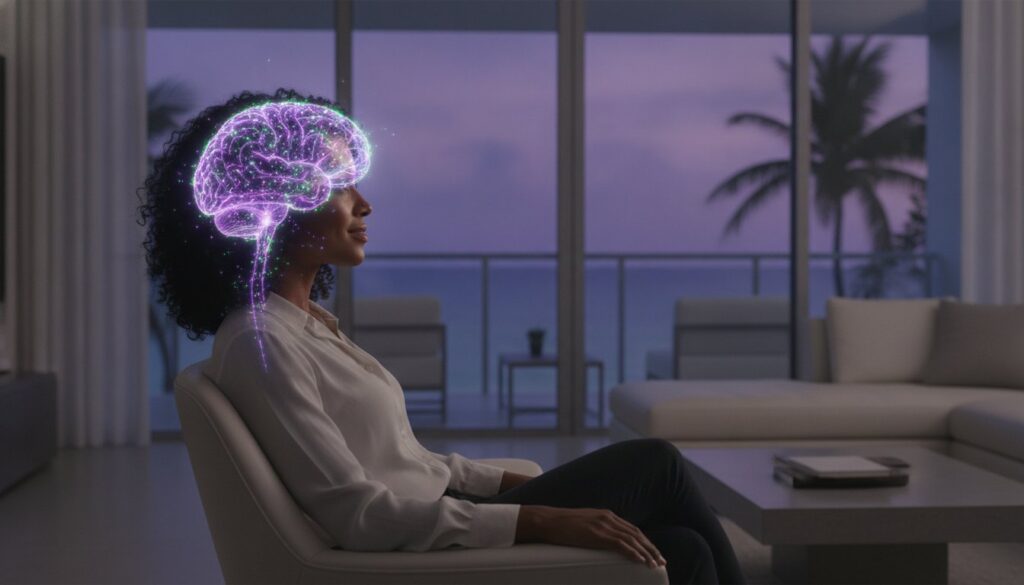
What if the missing link in your mental health journey isn’t a stronger version of the same medication, but a completely different way for your brain to communicate? For many living with treatment-resistant depression or PTSD in Florida, the cycle of trying and failing traditional antidepressants feels like an endless loop. It’s exhausting to feel stuck on prescriptions that offer little relief, especially when the alternative usually involves invasive IV procedures or hours of travel to specialized clinics.
We understand these challenges, and we believe that modern psychiatric care should be both effective and accessible. This guide reveals how at-home ketamine treatment for depression is revolutionizing the landscape of mental health in 2026. By utilizing targeted neuroplasticity through a non-invasive nasal spray, you can experience rapid relief from symptoms while remaining in a comfortable, familiar environment.
You’ll discover the science behind how ketamine repairs neural pathways and learn how our streamlined telehealth model brings expert psychiatric care directly to you. We’ll outline exactly how this modern approach removes traditional barriers, providing a clear and supportive path toward lasting recovery.
Key Takeaways
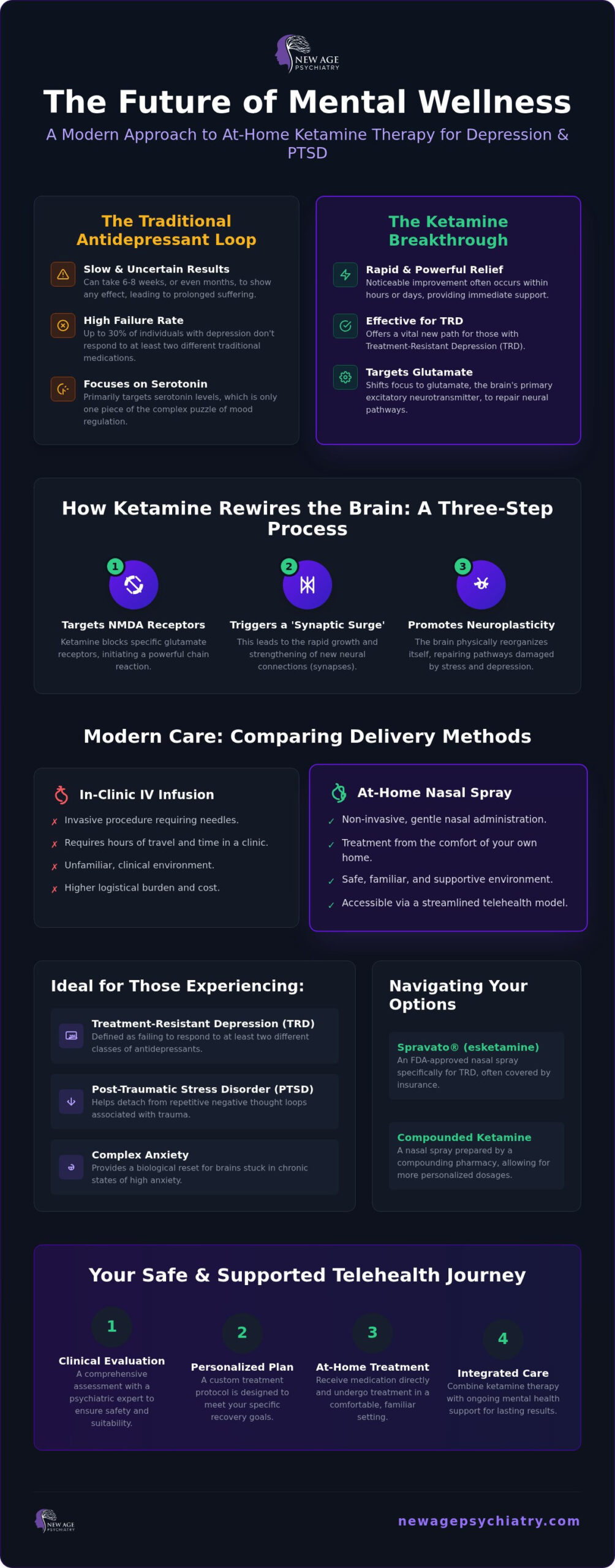
- Understand how ketamine shifts the focus from serotonin to glutamate, triggering a synaptic surge that repairs neural connections faster than traditional antidepressants.
- Compare the benefits and regulatory requirements of FDA-approved Spravato versus compounded nasal sprays to determine which path aligns with your personal recovery goals.
- Explore the convenience of at-home ketamine treatment for depression, specifically designed for Florida adults seeking relief without the need for invasive in-office IV procedures.
- Learn how to integrate low-dose ketamine therapy into a broader, personalized mental health plan to address complex conditions like PTSD, anxiety, and treatment-resistant depression.
- Gain clarity on the 2026 telehealth regulations and the essential clinical evaluation process required to start your journey toward rapid-acting psychiatric relief safely.
The Evolution of Rapid-Acting Psychiatry: Why Ketamine Nasal Spray is Trending
Ketamine isn’t a new compound, but its application in mental health is a modern breakthrough. Originally developed as a dissociative anesthetic, it’s been repurposed for mood regulation with remarkable success. For those exploring The Evolution of Rapid-Acting Psychiatry, the transition from surgical suites to home offices represents a major shift in how we approach mental wellness. In 2026, the demand for at-home ketamine treatment for depression has surged as patients seek alternatives to traditional oral medications.
Traditional antidepressants, like SSRIs, are often “slow-burn” treatments. They focus on serotonin and can take weeks or months to show results. Ketamine acts as a rapid-acting glutamate modulator. It targets the NMDA receptors to facilitate immediate changes in brain chemistry. This shift from waiting months to feeling relief in days is why intranasal delivery is trending across Florida. We’re seeing a move away from invasive IV infusions toward patient-friendly delivery that respects your time and comfort.
From Anesthesia to Mental Health Ally
Ketamine’s journey began in the 1960s as a safe anesthetic used in hospitals and emergency rooms. Over decades, researchers noticed its unique ability to lift depressive symptoms almost instantly. The development of the nasal route changed everything for the patient experience. It removed the need for invasive IV needles and long clinic stays. Today, this method focuses on neuroplasticity, the brain’s ability to reorganize itself by forming new neural connections. Modern psychiatric trends prioritize these “synaptic surges” because they address the biological root of the problem. It’s a proactive approach that empowers the patient rather than just masking symptoms.
Addressing the ‘Treatment-Resistant’ Crisis
Treatment-Resistant Depression (TRD) is a specific diagnosis for adults who haven’t found relief after trying at least two different antidepressant classes. It’s a widespread crisis. Research indicates that traditional meds fail up to 30% of users. For these individuals, the standard “try another pill” approach often leads to a cycle of hopelessness and lingering side effects. Intranasal ketamine offers a different path. It’s now recognized in mainstream Florida psychiatry as a vital first-line alternative for TRD. Choosing at-home ketamine treatment for depression allows patients to access this innovation through a supportive telehealth model. It ensures care is both clinically rigorous and personally convenient, removing the barriers that once kept life-changing therapy out of reach.
The Science of Intranasal Ketamine: How It Rewires the Brain
Traditional antidepressants often act like a temporary bandage, focusing on balancing serotonin levels to manage symptoms. Ketamine takes a different approach by acting as a structural renovation for the mind. It primarily targets the N-methyl-D-aspartate (NMDA) receptors in the brain. By blocking these receptors, ketamine triggers a complex chemical cascade that leads to a “synaptic surge.” This surge is the rapid growth and strengthening of new neural connections, providing a biological reset for those stuck in chronic states of low mood or high anxiety.
The Science of Intranasal Ketamine reveals that this process happens much faster than traditional pharmacology. While standard medications can take six to eight weeks to show efficacy, ketamine often produces noticeable relief within hours or days. This speed is life-changing for patients who need immediate support. Additionally, the “dissociative window” experienced during treatment serves a therapeutic purpose. It allows the mind to temporarily detach from repetitive, negative thought loops, creating the mental space necessary to break long-standing cycles of rumination.
Glutamate vs. Serotonin: A New Chemical Paradigm
For decades, the “serotonin hypothesis” dominated psychiatry, but ketamine shifts the focus to glutamate, the brain’s most abundant excitatory neurotransmitter. This shift is a game-changer for conditions like PTSD and depression because glutamate is responsible for clearing the “mental fog” associated with chronic stress. Understanding what is ketamine used for in modern neurobiology helps patients realize that their previous lack of progress wasn’t a personal failure; it was simply a mismatch in chemical targeting. If you’ve felt unresponsive to SSRIs, at-home ketamine treatment for depression offers a path that addresses the primary messaging system of your brain directly.
Neuroplasticity and the ‘Reset’ Effect
Think of ketamine as “fertilizer for the brain.” Chronic depression and trauma cause dendrites, the delicate branches of your neurons, to wither and shrink. Ketamine stimulates the production of brain-derived neurotrophic factor (BDNF), a protein that encourages these branches to regrow and reconnect. This is neuroplasticity in action. In an at-home ketamine treatment for depression, the nasal spray format delivers a controlled, consistent dose that supports this growth over time. It isn’t just about masking a bad day. It’s about rebuilding the physical infrastructure of your brain so it can function with more resilience and clarity. If you’re ready to explore this innovative approach, our team can help you determine if a personalized treatment plan is the right next step for your recovery.
Spravato vs. Compounded Ketamine: Navigating Your Options
Choosing the right path involves understanding the legal and clinical distinctions between the two primary forms of nasal spray. In 2026, the landscape of psychiatric care offers more variety than ever, allowing you to select a treatment that fits your lifestyle and clinical needs. While both options utilize the nasal route, they operate under different regulatory frameworks that affect your cost, convenience, and level of supervision.
Esketamine (Spravato): The Clinical Standard
Spravato is the brand name for esketamine, a specific isomer of the ketamine molecule. Because it’s FDA-approved for treatment-resistant depression, it’s often covered by insurance, which can significantly reduce your out-of-pocket expenses. However, this approval comes with strict requirements. It’s managed under the REMS (Risk Evaluation and Mitigation Strategy) program. This protocol requires you to self-administer the spray in a certified clinical setting while remaining under medical observation for at least two hours.
Ideal candidates for esketamine are often those with severe TRD who require the highest level of in-person clinical oversight or those with insurance plans that prioritize FDA-labeled medications. While effective, the logistics of twice-weekly office visits during the initial phase can be a significant barrier for busy adults or those living far from certified centers. It remains a foundational tool in modern psychiatry, but it’s just one of the paths available to you.
Low-Dose Compounded Ketamine: The Personalized Approach
In contrast, low-dose compounded ketamine offers a more flexible, personalized approach. This format typically uses racemic ketamine, which contains both isomers of the molecule. It allows your provider to titrate the dosage precisely to your unique symptoms rather than sticking to a standardized, one-size-fits-all dose. This flexibility is particularly useful when seeking ptsd medication online, as trauma-related recovery often requires a more nuanced and gradual adjustment of medication levels.
Because these sprays are prepared by specialized pharmacies, at-home ketamine treatment for depression becomes a reality for those who value privacy and ease of access. This model removes the need for long clinic stays, allowing you to recover in a familiar, comfortable environment. We prioritize safety through a structured virtual care setting, ensuring you have a dedicated provider to monitor your progress and adjust your plan as you heal. Our focus is on removing traditional obstacles to care, making at-home ketamine treatment for depression a reliable and compassionate option for Florida residents who need a modern solution for their mental health.
Accessing Ketamine Therapy in Florida: Telehealth and Logistics
Florida’s telehealth landscape in 2026 provides a seamless way to access specialized care without the burden of travel. The DEA and HHS have extended telemedicine flexibilities for prescribing controlled substances through December 31, 2026. This allows Florida adults to receive a comprehensive diagnosis and start at-home ketamine treatment for depression entirely from the comfort of their own homes. Legal requirements in Florida still demand a high level of clinical rigor. We ensure every patient meets state-specific criteria for remote medication management, prioritizing safety and privacy above all else.
Virtual follow-ups have become the modern standard for psychiatric care. They ensure that your provider can monitor your progress and adjust dosages in real-time without requiring you to navigate traffic or take half a day off work. This efficiency is especially beneficial for those living in rural areas of Florida where specialized psychiatric care is often difficult to find. By removing the travel burden, we make it easier for you to stay consistent with your treatment plan, which is essential for long-term recovery. For a broader understanding of how virtual care works across different conditions, our online psychiatry for adults 2026 Florida guide covers the full scope of what licensed specialists can provide remotely.
The Virtual Psychiatric Evaluation
Every journey begins with a deep dive into your mental health history. During a telehealth assessment at New Age Psychiatry, we conduct a thorough screening for physical and psychological contraindications. This includes checking for uncontrolled hypertension or a history of psychosis, as these factors can impact the safety of ketamine therapy. Because symptoms of mood disorders often mimic other conditions, we also emphasize the need for a psychiatrist for adhd evaluation. Ruling out overlapping neurodivergent traits ensures that your treatment plan is accurate and addresses the root cause of your symptoms.
Safety Protocols for Remote Care
Safety remains our top priority during at-home ketamine treatment for depression. We implement clear environmental protocols to ensure every session is productive and secure. A key component of this is the “sitter” requirement. A sitter is a non-medical safety observer, such as a friend or family member, who stays with you during your session to provide a supportive presence. In 2026, we also utilize remote monitoring technology to track patient progress. These digital tools allow you to report side effects and mood changes instantly, giving your provider the data needed to refine your care. If you are ready to explore a more accessible path to mental wellness, schedule your virtual evaluation with our Florida-based team today.
Integrating Ketamine into a Comprehensive Mental Health Plan
Ketamine isn’t a “magic bullet,” but it’s an incredible tool for reclaiming your life. While the rapid relief it provides is life-changing, we view it as one essential part of a holistic mental health ecosystem. True, long-term remission often requires a combination of innovative therapy and consistent medication management. By integrating at-home ketamine treatment for depression into a broader strategy, we can address the physical, chemical, and emotional layers of your well-being simultaneously.
This integrated approach is especially effective for patients who feel “stuck” despite being on multiple medications. We focus on how the neuroplasticity triggered by ketamine can be sustained over time. This ensures that the progress you make during your sessions isn’t just a temporary boost, but a foundational shift in your mental health. Our goal is to help you build a resilient mind that can handle life’s challenges with more clarity and less distress.
Managing Comorbidities: ADHD, Anxiety, and Beyond
Many adults in Florida struggle with overlapping conditions that make traditional care difficult to navigate. For example, the “emotional paralysis” often found in adult ADHD can amplify depressive symptoms, making it hard to start or finish even simple tasks. Balancing stimulant medications with rapid-acting mood stabilizers requires clinical precision. When you choose a provider that offers online adhd treatment alongside ketamine therapy, you benefit from a unified strategy. Having a single psychiatrist manage your entire medication profile reduces the risk of drug interactions and ensures that your treatments work in harmony rather than in conflict.
Your Path Forward with New Age Psychiatry
Starting at-home ketamine treatment for depression shouldn’t be a source of stress. Our onboarding process is designed for ease and accessibility, specifically for Florida residents who value their time and privacy. We’ve removed the cold, distant atmosphere of traditional clinics, replacing it with a supportive virtual environment. From your initial evaluation to your ongoing follow-ups, our “guide-on-the-side” approach ensures you’re never navigating this journey alone. We combine the rigor of licensed medical practice with the responsiveness of a contemporary service provider.
Reclaiming your mental health from the comfort of your home is more than just a convenience. It’s a way to heal in the space where you feel safest. If you’re ready to move beyond medications that don’t work and explore a tech-forward, compassionate model of care, the next step is simple. Scheduling a virtual consultation allows us to build a personalized plan that honors your unique needs and goals. You don’t have to stay stuck in a cycle of ineffective treatments; a modern path to recovery is available today.
Step Into a New Chapter of Mental Wellness
The transition from traditional antidepressants to rapid-acting neuroplasticity represents a significant shift in psychiatric care. We’ve seen how ketamine nasal spray repairs the physical connections in your brain, offering a biological reset that standard medications often miss. By choosing at-home ketamine treatment for depression, you can access this life-changing therapy through a model that values your privacy and removes the stress of travel. Our expert Florida-licensed psychiatrists specialize in treatment-resistant conditions, providing the clinical rigor you need within a convenient telehealth model.
You don’t have to navigate your recovery alone or settle for treatments that haven’t worked in the past. We’re here to act as your tech-savvy medical ally, guiding you through a personalized plan that integrates innovation with empathetic support. The path to a clearer, more resilient mind is closer than you think. It’s time to move toward a solution that addresses your unique needs with speed and compassion.
Schedule Your Virtual Psychiatric Evaluation Today and start your journey toward lasting relief. You deserve a care plan that moves at the speed of your life.
Frequently Asked Questions
Is ketamine nasal spray the same as the ketamine used in hospitals?
Ketamine nasal spray uses the same active compound found in hospital settings, but the application and dosage are fundamentally different. While hospitals use high doses for anesthesia, psychiatric treatment utilizes low doses to trigger neuroplasticity. This intranasal format allows for a controlled, gradual absorption that targets mood regulation rather than sedation. It’s a specialized adaptation designed to make the clinical benefits of ketamine accessible for modern mental health management.
Can I get a prescription for ketamine nasal spray through telehealth in Florida?
You can absolutely receive a prescription for at-home ketamine treatment for depression through a Florida telehealth provider. Current 2026 regulations allow licensed psychiatrists to evaluate patients and manage these prescriptions virtually. At New Age Psychiatry, we conduct thorough diagnostic assessments via video consultation to ensure the treatment is safe for you. This remote model removes the travel burden while maintaining the strict clinical oversight required for controlled substance management in Florida.
What does it feel like to use ketamine nasal spray for depression?
Most patients describe a sense of deep relaxation and a temporary detachment from their immediate surroundings during the session. This is often called the “dissociative window,” where negative thought loops feel more distant and less overwhelming. You might experience mild lightheadedness or a change in sensory perception, but these effects are temporary. The goal isn’t to feel “high,” but to create a mental space where your brain can begin repairing neural pathways.
How quickly does ketamine nasal spray start working compared to SSRIs?
Ketamine nasal spray works significantly faster than traditional SSRIs, which often take six to eight weeks to show efficacy. Many patients report a noticeable improvement in their mood within hours or a few days after their initial sessions. This rapid action is because ketamine targets glutamate receptors directly rather than slowly building up serotonin levels. It’s an ideal option for those who need faster relief from the heavy symptoms of treatment-resistant depression.
Are the effects of ketamine nasal spray permanent?
While ketamine isn’t a “one and done” cure, it creates lasting structural changes in the brain through neuroplasticity. By regrowing neural connections, it helps build long-term resilience against depressive symptoms. Some patients maintain their progress after an initial series, while others benefit from occasional maintenance sessions. We view it as a tool to help you reach remission, which is then supported by ongoing medication management and holistic lifestyle changes.
Does insurance cover ketamine nasal spray in 2026?
Insurance coverage in 2026 typically depends on the specific formulation of the medication. FDA-approved esketamine is frequently covered by most major insurance plans, often requiring only a specialist copay. Generic compounded ketamine used for at-home ketamine treatment for depression is generally an out-of-pocket expense, though it’s often more affordable than in-clinic infusions. We recommend checking with your specific provider to understand your benefits and potential reimbursement options through HSA or FSA funds.
What are the most common side effects of intranasal ketamine?
The most common side effects are mild and resolve shortly after the treatment session ends. Patients frequently report:
- Temporary dizziness or lightheadedness
- Mild nausea
- A dissociative feeling or “dream-like” state
- A brief increase in blood pressure
Because these effects are predictable, we screen for pre-existing conditions like uncontrolled hypertension during your initial virtual evaluation to ensure your safety throughout the process.
Can ketamine nasal spray help with PTSD and anxiety as well as depression?
Yes, ketamine nasal spray is highly effective for managing PTSD and chronic anxiety alongside depression. It works by quieting the overactive “fear centers” of the brain and repairing the damage caused by long-term stress hormones. For those dealing with trauma, it can help lower the intensity of intrusive thoughts and emotional triggers. At New Age Psychiatry, we specialize in using low-dose ketamine as part of a comprehensive plan for various treatment-resistant conditions. If you’re exploring all of your virtual care options, learning more about online psychiatry for adults in Florida can help you understand the full range of services available through a licensed telehealth provider.

Pingback: PTSD Medication Online: A 2026 Guide to Virtual Trauma Care in Florida