

Some women notice intense emotional changes before their period—extreme irritability, deep sadness, or anxiety that seems to come out of nowhere. When these symptoms repeat month after month and interfere with daily life, PMDD may be worth exploring. This article explains common warning signs, how to track cyclical symptoms, and what treatment options may help, including therapy, supportive routines, and medication when appropriate. The goal is to offer clarity, reduce self-blame, and help you recognize that severe premenstrual suffering is not something you have to simply “push through.”
Many women wonder whether the emotional shifts they experience before their period are “normal.” Hormonal changes can absolutely affect mood. But when the emotional impact becomes intense, disruptive, and highly cyclical, it deserves serious attention. Premenstrual Dysphoric Disorder, or PMDD, is not simply having a bad week before your period. It can involve significant emotional and physical symptoms that appear in the premenstrual phase and ease once menstruation begins.
PMDD can look different from person to person, but certain patterns are common. Some women experience sudden irritability, intense anger, crying spells, anxiety, hopelessness, or emotional sensitivity that feels out of proportion to the situation. Others notice fatigue, difficulty concentrating, appetite changes, body pain, or a strong urge to withdraw from people they normally care about. These symptoms can strain relationships, affect work, and leave someone wondering why they feel like a different version of themselves every month.
One of the hardest parts of PMDD is the self-doubt it can create. People may say, “Maybe I’m just too emotional,” or “Maybe I’m overreacting.” But repeated monthly suffering is not a character flaw. It is a pattern worth paying attention to.
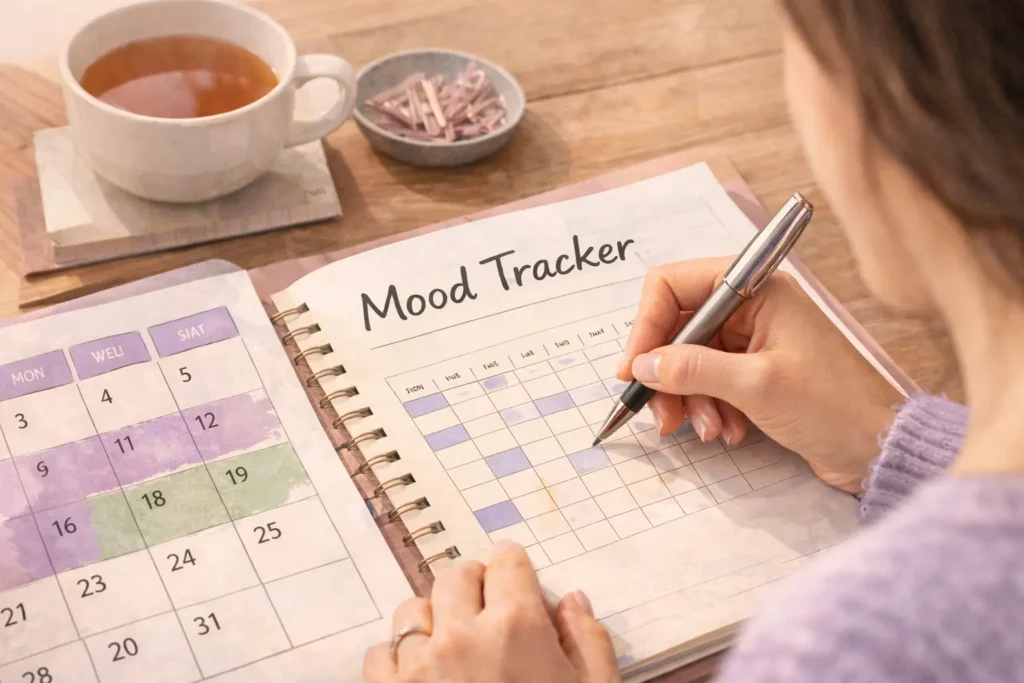
A symptom tracker can be one of the most useful tools when trying to understand whether PMDD may be part of the picture. For two to three cycles, rate your mood, irritability, anxiety, sleep, energy, cravings, and physical discomfort each day. You can use a simple 0-to-3 scale or short journal notes. The key is consistency. Over time, patterns become easier to see. When symptoms predictably rise before your period and improve after bleeding begins, that information can be extremely helpful in a clinical conversation.
Tracking symptoms can also reduce confusion. Instead of feeling blindsided each month, you start recognizing your cycle as information. That awareness can help you plan important meetings, social commitments, and extra support more intentionally.
Treatment for PMDD often works best when it is personalized. Therapy can help you identify unhelpful thoughts that intensify suffering, improve emotional regulation, and reduce the shame that often comes with cyclical symptoms. Cognitive behavioral strategies can be especially helpful for reframing harsh inner dialogue and creating realistic coping tools for difficult days.
Supportive lifestyle habits can matter too. Regular sleep, steady meals, hydration, gentle movement, and reduced alcohol intake may not eliminate PMDD, but they can reduce the overall load on the nervous system. Some people also notice that limiting caffeine during the most symptomatic part of the cycle helps decrease physical anxiety and irritability.

Medication can also be part of treatment when symptoms are severe. In some cases, SSRIs are considered during the luteal phase or more consistently depending on the clinical picture. Some hormonal treatments may also be discussed. These decisions should always be made with a qualified clinician who can review your symptoms, overall health, and treatment history.
It is also important to know when to reach out urgently. If premenstrual symptoms include thoughts of self-harm or a sense that you may not be safe, seek help immediately through emergency services or a crisis line. You do not need to wait until the cycle passes.

If you suspect PMDD, bring your symptom tracker to your appointment. Concrete information often makes the conversation more productive and helps separate PMDD from other conditions such as major depression, generalized anxiety, or burnout. It also reminds you that what you are experiencing has a rhythm, a context, and potential treatment options.
There is real relief in understanding what is happening in your body and mind. You are not imagining it, and you are not failing. Severe cyclical mood symptoms deserve care, validation, and a plan.
PMDD can feel isolating, but it is treatable. With the right support, many women experience significant improvement in quality of life. You deserve more than just surviving certain days of the month. You deserve tools, answers, and support that help you feel like yourself again.
#mentalhealth #healingjourney #selfgrowth #therapytools #mindsetshift #mentalwellness #florida #newagepsychiatry