
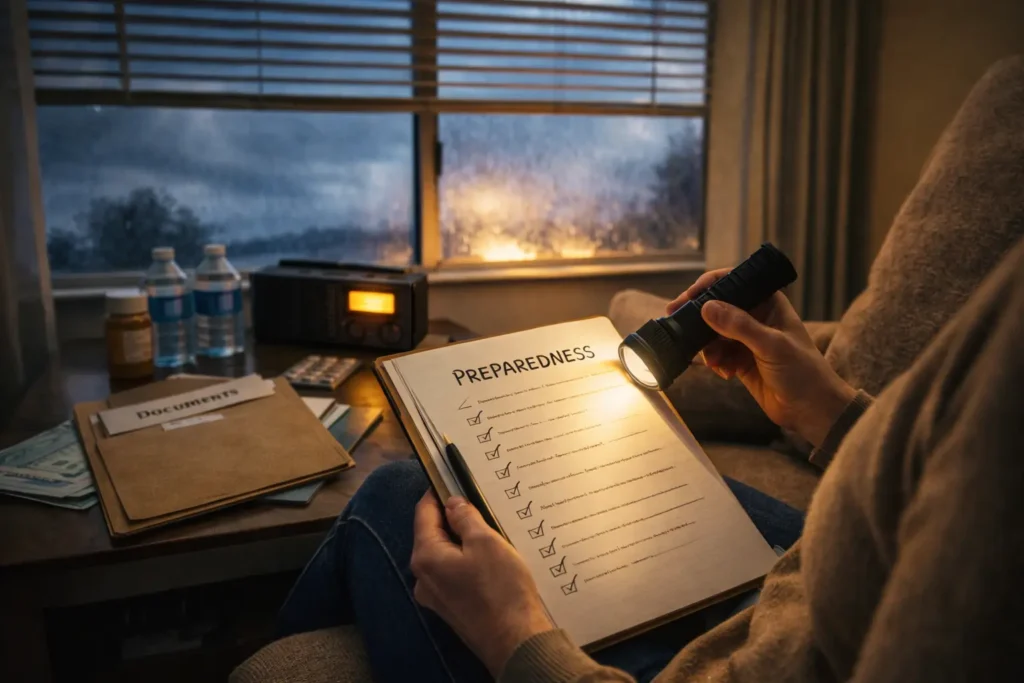
Hurricane season can create ongoing stress in Florida—constant news alerts, fear of evacuation, and worry about safety or property damage. This article offers a practical three-phase emotional plan for managing storm-related anxiety before, during, and after a hurricane. It includes grounding tools, simple ways to support children, and crisis resources if stress becomes overwhelming. The goal is to move from “what if” thinking to “here is what I can do,” helping you feel calmer and more in control.
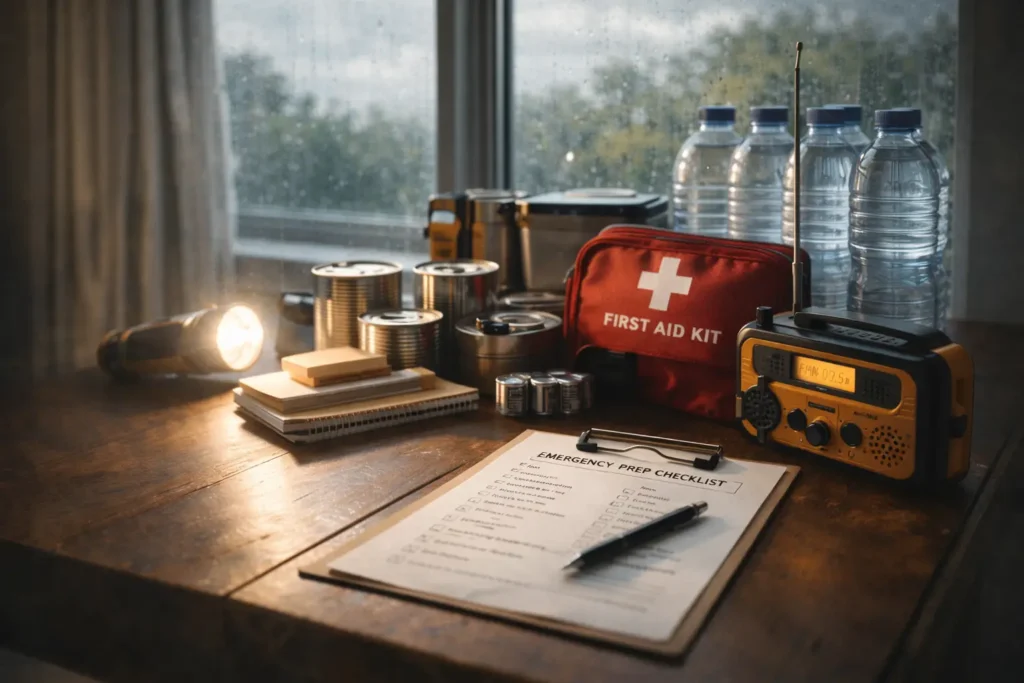
In Florida, we know physical preparation matters during hurricane season. Water, food, medications, flashlights, and evacuation plans are essential. But emotional preparation matters too. Anxiety before a storm is completely understandable. Your brain is trying to protect you, but sometimes that protective system gets stuck in a loop of worst-case scenarios. When that happens, the most helpful response is to turn fear into structure.
Before a hurricane, one of the best things you can do is create a one-hour preparation block. Set aside a specific hour to review your plan. Check your supplies, make sure medications are filled, gather important documents, charge devices, and confirm transportation or evacuation options if needed. When people write their plan down, anxiety often becomes more manageable because uncertainty becomes action.
Another important step is limiting overexposure to distressing information. Staying informed is wise. Doom-scrolling every hour is not. Choose one or two official sources and check them at specific times during the day. If videos of storm damage or nonstop alerts increase panic, step away from your feed for a while. Information should help you prepare—not keep your nervous system in crisis mode.
Short calming techniques can help you stay regulated while you prepare. Try five slow breaths each time you check updates. Inhale for four seconds, exhale for six to eight seconds. Longer exhales tell the nervous system that the immediate moment is safe. Even a few breathing cycles can reduce the body’s alarm response.
During a hurricane, anxiety can intensify because of noise, uncertainty, power loss, and waiting. This is where micro-routines help. Every two or three hours, create a simple rhythm: drink water, breathe deeply, stretch, read something calming, or do one quiet activity with your household. Predictable routines create emotional stability when the outside environment feels unpredictable.
If children are with you, keep communication simple and reassuring. You do not need to explain every danger in detail. You can say, “We are prepared, and we are staying together.” Let them participate in small tasks like organizing books, picking a comfort item, or helping set up a safe corner. Involving children in age-appropriate ways can reduce helplessness.

If panic begins to rise, grounding techniques can bring your attention back to the present. One effective tool is the 5-4-3-2-1 method. Name five things you can see, four sounds you can hear, three surfaces you can touch, two scents you notice, and one thing you can taste. This shifts your focus from fear-based thoughts into your current surroundings.
After the storm passes, your body may still feel like it is in emergency mode. Some people cry from relief. Others feel numb, exhausted, irritable, or unable to relax. It is also common to experience headaches, poor sleep, jumpiness, or vivid dreams in the days afterward. These reactions do not automatically mean something is wrong. They often reflect the nervous system trying to settle down after prolonged stress.
Still, there are times when extra help is important. Reach out for support if intense fear continues beyond a couple of weeks, if you cannot return to work or school because of anxiety, if you start relying on alcohol or substances to cope, or if thoughts of self-harm appear. In an immediate emergency, call 911. If you are in emotional crisis, call or text 988. The Disaster Distress Helpline is also available for support related to natural disasters.

Recovery after a storm is not only about rebuilding routines. It is also about allowing yourself to slow down. You do not have to bounce back instantly. Rest is part of resilience. Gentle movement, hydration, nutritious meals, supportive conversation, and less exposure to upsetting media can all help your body and mind regulate again.
If you notice that hurricane season brings up old fear, past trauma, or a level of anxiety that feels too big to manage alone, professional support can help. Telehealth can be especially valuable in Florida because care can continue even when life feels disrupted.

Preparing emotionally does not make you weak—it makes you ready. With a clear plan, simple regulation tools, and permission to seek support, hurricane season can feel less overwhelming and more manageable. One grounded step at a time still counts as strength.
#mentalhealth #healingjourney #selfgrowth #therapytools #mindsetshift #mentalwellness #florida #newagepsychiatry